Hindu Brahma
Brahma is born from a lotus that sprouted from the navel of Lord Vishnu or is often described as having emerged from a golden cosmic Hiranyagarbha egg created by the Supreme Being.
Brahma is the mythological Hindu god of creation and the first member of the Trimurti trinity (alongside Vishnu and Shiva), responsible for bringing the universe and all living beings into existence.
In Ancient Buddhist iconography, Brahma is often depicted alongside the deity Indra, both serving as attendants or "Dharmapalas" (Protectors of the Dhamma) who honor the Buddha. After 15th Century ACE, Brahmins created a mythological Brahma and Indra.
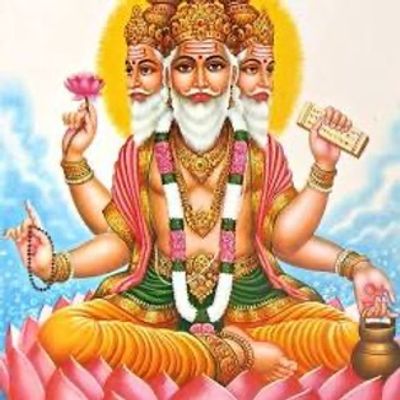
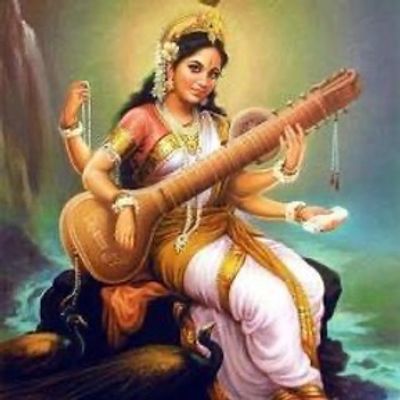
Brahma and Saraswati (Daughter and Wife of Brahma)
Saraswati, the Hindu goddess of knowledge, music, and arts, was primarily born from the mouth or mind of Lord Brahma to assist in creating order in the universe.
•Emerging from Brahma's Mouth: After creating the universe, Brahma felt his creation lacked form and order. Seeking help, he created Saraswati, who emerged from his mouth to symbolize her role as the embodiment of knowledge and speech.
•The Mind-Born Daughter: Other interpretations describe her as the manasputri (mind-born daughter) of Brahma, emerging from his consciousness.
•From the Left Side of Brahma: Some Puranic accounts, such as the Matsya Purana, indicate she emerged from the left side of Brahma's body.
•Birth from Adi Parashakti: Other interpretations state she was born from the lotus feet of the supreme goddess Adi Parashakti.
•Origin from the Sea: Another legend suggests she arose from the Samudra Manthan (churning of the ocean)
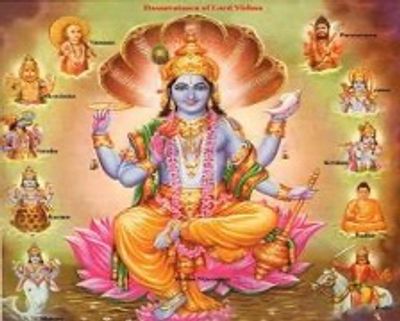
Vishnu
Self-Manifested (Eternal): In the Vishnu Purana, Vishnu is viewed as the AdiPurusha (First Being), who existed before creation. He is the supreme divinity, existing both as formless (nirguna) and with form (saguna).
Birth from Divine Union (Shiva Purana): Some traditions, particularly in the Shiva Purana, suggest Vishnu was born from the union of Sadashiv and Shakti. In this narrative, Vishnu originated from the left thigh region of Lord Shiva.
After 15th Century ACE in Hindu mythology, the Buddha is often considered the ninth avatar of Vishnu, primarily within the Dashavatara (ten avatars) list, which is a nonsense. This perspective, found in Puranic texts, frames him as a divine incarnation who brought a message of compassion, non-violence (ahimsa), and enlightenment to re-establish Dharma. However, this is largely a Hindu viewpoint and not accepted by Buddhists.
Laxmi
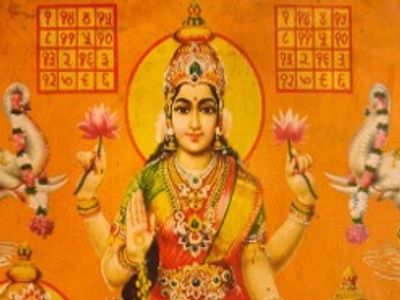
Goddess Lakshmi is primarily believed to have emerged from the Samudra Manthan (churning of the Milky Ocean), appearing seated on a lotus, to restore prosperity to the worlds. In other traditions, she was born as Bhargavi, daughter of Sage Bhrigu and his wife, Khyati, or as Padmavati, later marrying Lord Vishnu.
The depiction of a female figure flanked by elephants (Gajalakshmi) at early Buddhist sites like Sanchi (2nd century BCE) is interpreted Queen Mahamaya (The Buddha’s mother). Gajalakshmi is an original Buddhist representation of Mahamaya appropriated and copied by Hinduism, identify her as the mythological Hindu goddess Lakshmi after 12thCentury ACE.
Skanda (Karttikeya)
In many versions, Shiva’s semen was so potent and fiery that neither the earth nor the gods could hold it. It was carried by the fire god Agni, then the river Ganga, and finally deposited in a forest of reeds (Saravana), where it took the form of a child.

Rama
According to the Ramayana, Rama was born as the seventh avatar of Lord Vishnu to King Dasharatha and Queen Kaushalya in Ayodhya on the ninth day (Navami) of the lunar month Chaitra. His birth followed a divine sacrificial ritual (Putrakameshti Yagna) performed by Sage Rishyasringa, resulting in a sacred rice pudding (payasam) that the queens consumed, leading to divine conception.
According to the Ramayana, Sita was not born from a human womb but was discovered in a furrow in a ploughed field by King Janaka of Mithila. As she emerged from the earth, she is considered the daughter of Bhoomi (Mother Earth).
According to Hindu belief, Lord Rama did not die a mortal death but voluntarily left Earth by entering the Sarayu River to return to his divine form (suicide), Maha Vishnu. After fulfilling his purpose (Avatar) and ruling Ayodhya for thousands of years, he took Jal Samadhi (water liberation) along with his brothers and many followers.
In the ancient Buddhist Dasaratha Jataka, Prince Rama is depicted as a Bodhisattva—a past incarnation of Gautama Buddha. Later after 12th Century ACE, Hinduism made him mythological Rama.

Hanuman
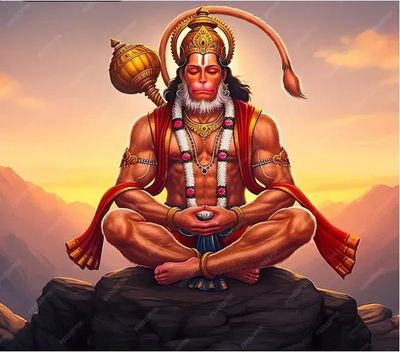
Some traditions, such as the Shiva Mahapurana, state Hanuman was born from Shiva’s semen. Sages collected the semen in a leaf and, through the air (Vayu), it was deposited in the ear or womb of Anjana.
The ancient Jataka tales (stories of the Buddha's past lives) contain several stories featuring a "Monkey King" (Mahakapi) who exhibits supreme self-sacrifice and intelligence, such as in the Mahakapi Jataka. These stories are often used to illustrate the virtues of a Bodhisattva. Much later, Hinduism copied as mythological Hanuman.
Ganesha: The Elephant-Headed Deity Son of Shiva and Parvati
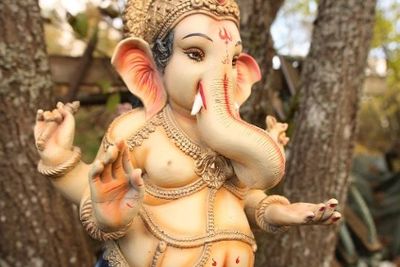
In a popular account, Goddess Parvati created Ganesha from the turmeric paste or dead skin rubbed off Shiva’s wife's, Paravati’s, own body while preparing for a bath, breathing life into the form to create a guardian.
Ganesha is recognized in ancient Buddhism primarily as a minor deity, obstacle-remover, or protector known as Vinayaka or Ganapati, particularly in Tantric (Tibetan) and Japanese traditions. Hinduism copied and made him a mythological Ganesh.
Durga
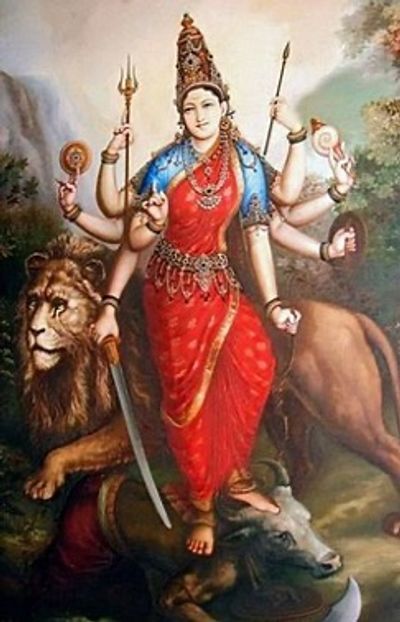
Goddess Durga was created through the combined, radiant energies of all Hindu gods—primarily Shiva, Vishnu, and Brahma—to destroy the invincible buffalo demon Mahishasura, who could not be killed by any man. Born fully formed as a powerful warrior, she emerged from this light armed with weapons gifted by the gods. Durga was copied from the Buddhist Tara.
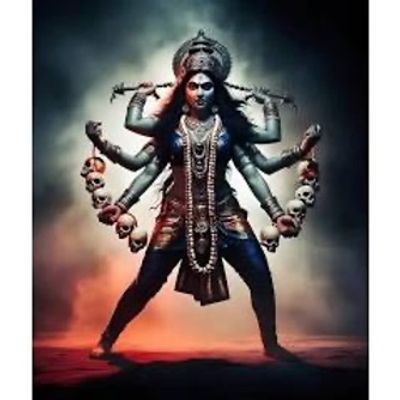
Kali
Goddess Kali was primarily born from the forehead of goddess Durga (as Ambika) in a state of immense rage to destroy demons Chanda and Munda. Another prominent myth describes her originating from the dark skin shed by goddess Parvati after Shiva teased her regarding her dark complexion.
Myth Veda Vyasa
Vyasa was born to the sage Parashara and Satyavati (daughter of a fisherman) on an island in the Yamuna River. Their union was concealed by divine fog created by Parashara, allowing Vyasa to be born instantly as an adult possessing divine wisdom, considered an incarnation of Lord Vishnu. Parashara was granted a boon from Lord Shiva that his son would be a great Brahmarshi. When he met Satyavati, he was captivated and used his power to create a mystical fog to hide their union. Myth Vyasa is the author of the Mahabharata, Vedas, and Puranas, some of the most important works in the Hindu tradition.